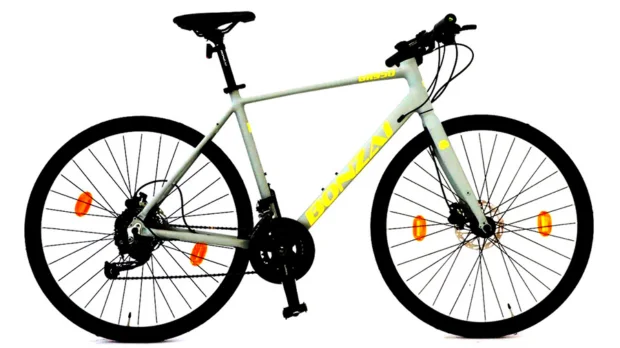
What Is the Difference Between a Hardtail and a Full Suspension MTB?
If you are just getting into mountain biking, one of the first decisions you will have to make is whether to ride a hardtail or a full-suspension bike. Each has its strengths, and the choice really depends on how and where you plan. There are riders who swear by the simplicity and efficiency of a hardtail, and others who swear by the comfort and control of full suspension. We’ve seen this dilemma more times than we can count at Bonzai Bikes. And our people keep coming back to one simple truth: the best bike is the one that fits your style, terrain and goals. This guide details the differences so you can buy with confidence.
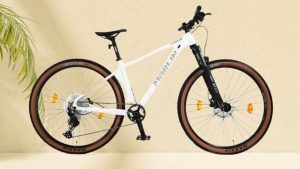
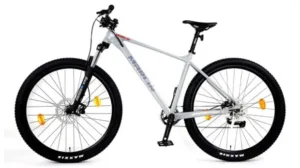
A hardtail mountain bike has suspension only on the front fork and a rigid rear frame. Hardtails are simpler, therefore lighter, easier to maintain, and cheaper than full-suspension bikes.
Why riders opt for hardtails
- Lightweight & efficient – With fewer moving parts, they climb faster and accelerate smoothly.
- Budget – A great choice for first-time riders or riders looking for performance at a great value.
- Low maintenance – No rear shock means fewer components to service.
- Best for smoother trails—Great for cross-country rides, gravel paths and light off-road adventures.
Where they fail
- Without rear suspension, rough terrain is rougher.
- Technical climbs can cause rear wheel traction slip.
- Descents require more skill and control from the rider.
What is a full-suspension mountain bike?
A full-suspension mountain bike has suspension front and rear to absorb shocks from rocks, roots and drops. It gives them more flexibility and tolerance when the going gets tough.
Why full suspension riders love it
- Superior comfort – Rear suspension smooths out bumps, reducing fatigue on long rides.
- Better grip – Clings to the rear wheel for improved control on climbs and descents.
- Confidence on technical trails – Easier to handle jumps, drops, and rocky sections.
- Versatile – Great for downhill, enduro and aggressive trail riding.
Things To Remember
- Heavier than hardtails, which may make climbing more difficult.
- More expensive due to additional parts.
- Shocks and pivots need to be serviced regularly.
| Feature | Hardtail MTB | Full Suspension MTB |
|---|---|---|
| Weight | Lighter | Heavier |
| Cost | More affordable | Higher price |
| Maintenance | Simple, fewer parts | Complex, more servicing |
| Comfort | Less forgiving | Very comfortable |
| Traction | Limited on rough terrain | Excellent grip |
| Best Use | Cross-country, smooth trails | Technical trails, downhill, enduro |
Bonzai Bikes Expert Tip
If this is your first time mountain biking, we typically recommend starting out with a hardtail. It’s lighter and easier to care for, and it will help you get proficient at handling a bike. But as your confidence grows and you start taking on tougher trails, a full-suspension bike can make a world of difference in comfort and performance
Common Mistakes Riders Make
- Choosing by looks alone: a sleek frame doesn’t always mean the right fit.
- Ignoring terrain – Full suspension might be unnecessary if you mostly ride on smooth paths.
- Skipping the test ride – Every rider’s body and style are different; always try before you buy.
- Overestimating skill level – Beginners often think they need full suspension, but a hardtail is usually better for learning the basics.
Why Buy from Bonzai Bikes?
At Bonzai, we have both hardtail and full-suspension MTBs for Indian riders and terrain. Whether you are commuting in the city, hitting weekend trails or gearing up for competition, our team will help you find the right frame size, suspension setup and components. We don’t just sell bikes. We match every rider with the bike that best fits their goals and riding style.
FAQs
1. Is a hardtail MTB good for beginners?
Absolutely. Hardtails are affordable, lightweight, and help new riders develop skills before moving to full suspension.
2. Do full-suspension bikes require more maintenance?
Yes. Rear shocks and pivot points need servicing, but the added comfort and control often make it worth it.
3. Can I use a hardtail for downhill riding?
You can, but it’ll be less forgiving. Full suspension is better suited for downhill trails.
4. Which is faster — hardtail or full suspension?
On smooth trails, hardtails are faster thanks to efficiency. On rough terrain, full suspension maintains speed better because of traction and control
Conclusion
Both hardtail and full suspension MTBs are welcome. The best choice depends on your riding style, terrain and budget. At Bonzai Bikes, we’ll help you test, compare and pick the perfect mountain bike—so every ride is an adventure.

Add comment